Video & Content
5 Signs Your Estate Agency Needs Better Property Photography
14 September 2026 · 7 min read
Why the photos usually decide before the viewing does
Most buyers and renters do their first filtering online, scrolling through thumbnails on Rightmove, Zoopla, or your own site before they ever read the description. A listing gets a fraction of a second to earn a second look. If the photography doesn't hold attention in that window, the copy underneath it barely matters — the scroll has already moved on.
That makes property photography one of the few parts of an estate agency's marketing that's genuinely make-or-break, not just "nice to have." And because photography is something every agency in a patch is doing, it's also one of the easiest places to quietly fall behind without noticing — the listings still go up, the viewings still get booked here and there, but the volume and speed just aren't what they used to be.
Here are five signs worth paying attention to.
1. Your listings blend into everyone else's on the portal grid
Open Rightmove or Zoopla for any Oxfordshire town and scroll through a page of results. If your listings look interchangeable with three other agencies' — same flat, slightly dim lighting, same wide-angle-but-not-quite-wide-enough framing — that's a sign the photography has become a checkbox rather than a differentiator.
This matters more than it sounds like it should, because portal browsing is comparison shopping by nature. A buyer isn't evaluating your listing in isolation; they're scanning a grid and deciding, almost instantly, which thumbnails deserve a click. Photography that's technically fine but visually unremarkable loses that comparison even when the property itself is a good one.
2. You're relying on the agent's phone for "quick" listings
Phone photography has genuinely improved, and for a fast market update or a social post, it can be fine. But if it's become the default for actual portal listings — because it's faster than booking a shoot, or because a property needs to go live today — that's usually a sign the photography workflow has slipped from a proper process into a stopgap that never got fixed.
The tell is usually in the details: verticals that lean because the phone wasn't level, rooms that look smaller than they are because the lens is fighting a tight space, windows that are either blown out white or the room around them is dark. None of that is really the agent's fault — it's what happens when photography is squeezed into a five-minute job between viewings rather than treated as its own task.
3. Interiors look empty, dark, or oddly proportioned
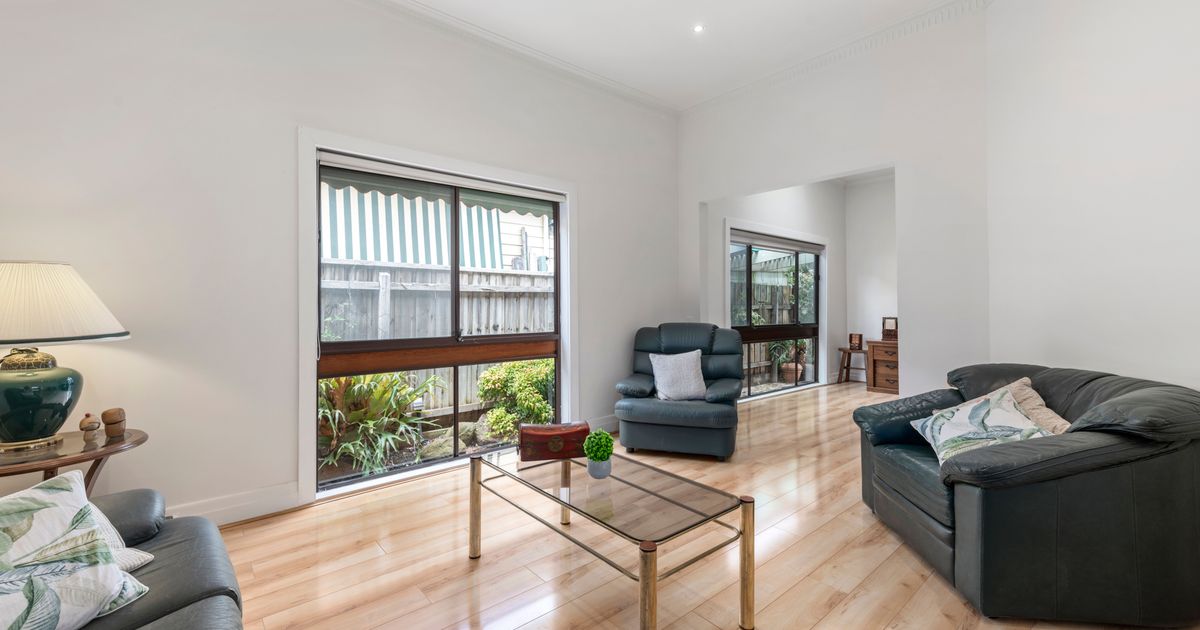
Wide rooms that photograph narrow. Kitchens that look smaller in the photo than they feel in person. Natural light that's either missing entirely or blowing out one window while the rest of the room sits in shadow. These are classic signs of shooting without proper lighting, lens choice, or timing — and they cost more than they seem to.
A viewer who arrives expecting a cramped kitchen and finds a genuinely spacious one has had their expectations reset in your favour before they've even sat down. A viewer who arrives expecting the bright, airy space from the photos and finds something dimmer and smaller has the opposite experience — and that mismatch shows up as wasted viewings, not just weaker photos.
4. There's no consistency across your listings
One property has crisp, well-lit, professionally edited shots. The next has flat lighting and an odd crop. That inconsistency is often a symptom of using whichever photographer, app, or staff member happens to be free that week rather than a repeatable process.
Beyond the individual listings, inconsistency undermines something harder to quantify: how "established" the agency looks as a whole. A portfolio of listings that all share the same lighting style, framing conventions, and level of polish reads as a professional operation with a system behind it. A mixed bag reads as ad hoc, even if some of the individual shots are genuinely good.
5. You've never tested video or floor-plan walkthroughs
Photography is the baseline, but it's no longer the ceiling. Short video walkthroughs, drone shots for properties with any outdoor space worth showing, and floor-plan or 3D tour integrations have moved from "premium add-on" to something buyers increasingly expect for higher-value or harder-to-sell properties. If none of your listings have ever used any of these, it's worth asking whether that's a deliberate call based on what your market actually wants — or just something that never got prioritised.
This doesn't mean every listing needs a drone and a cinematic walkthrough. A one-bed flat rarely benefits from the same treatment as a family home with a garden. But having the option available, and using it selectively on the listings where it earns its cost, is different from never having it as a tool at all.
What actually changes when the photography improves
It's worth being honest about what better photography does and doesn't do. It won't turn an overpriced property into a quick sale, and it won't fix a genuinely poor location or condition issue. What it reliably does is close the gap between how good a property actually is and how good it looks online — which, in a market where most first impressions happen on a screen, is most of the battle for getting the right people through the door.
In practice, agencies that treat photography as a proper part of the marketing process — rather than an afterthought squeezed in before a listing goes live — tend to see it show up as more portal clicks per listing, fewer wasted viewings from mismatched expectations, and a stronger overall brand impression across their listings page as a whole.
What "better" looks like without overhauling everything
Fixing this doesn't have to mean a full rebrand of how the agency shoots every property. A few practical shifts tend to make the biggest difference:
- A repeatable shoot process — same lighting approach, same shot list per room type, same editing standard — so quality doesn't depend on who's free that day.
- Proper timing and lighting, not just a wide lens. Shooting when a room actually gets good natural light, and knowing when to bring supplementary lighting, solves more problems than equipment alone.
- Consistent editing, so verticals are straight, exposure is balanced, and every listing looks like it came from the same agency rather than a different one each time.
- A tiered approach to video and 3D tours — reserved for the listings where the extra investment will genuinely move viewings, rather than either "never" or "every single time."
None of this requires abandoning speed. A well-run photography process can still turn a listing around quickly; it just means the workflow is designed for consistency rather than improvised property by property.
Where this fits with the rest of your marketing
Photography doesn't sit in isolation — the same footage and images that go on the portal listing can usually be repurposed into social content, email updates to your buyer list, and window or print materials, which is where a proper content workflow earns its cost back. Our videography, photography, and content marketing service is built around exactly that: a shoot planned to produce assets that work across the whole funnel, not just a single listing page, for agencies and other businesses across Oxford and beyond.
If you're not sure whether your current photography is actually holding your listings back or whether the issue sits elsewhere in your marketing, a short conversation is usually enough to tell. You can see indicative packages on our pricing page, or book a discovery call and we'll give you a straight read on where the biggest gains are for your listings specifically.
The honest test
If you're not sure whether this applies to your agency, try the portal test: open your last five listings on Rightmove or Zoopla, then open five competitor listings in the same area and price bracket, side by side. If yours don't clearly stand out — better light, better framing, more consistent quality — that's usually the clearest sign there's room to improve, regardless of how the properties themselves compare.